
Residences
Three Homes.
One Continuum of Care.
Woodhaven’s residences offer structure, accountability, connection, and support as residents build stability, confidence, and greater independence in recovery.
A Residential Continuum Designed for Growth and Independence
Woodhaven’s residential continuum allows residents to receive the level of structure and support they need while gradually taking on greater independence. Each home has a distinct purpose, but all three are connected by the same commitment to recovery, community, accountability, and care.
The Woodhaven Residential Continuum
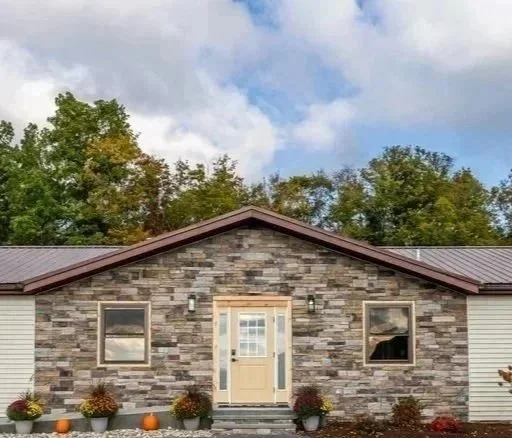
Woodhaven Manor
The starting point of Woodhaven's residential continuum, providing structure, support, and community for adolescent boys beginning to build a life in recovery.

Woodhaven Cottage
A bridge toward greater independence while residents remain connected to the structure, support, and community of the main campus.
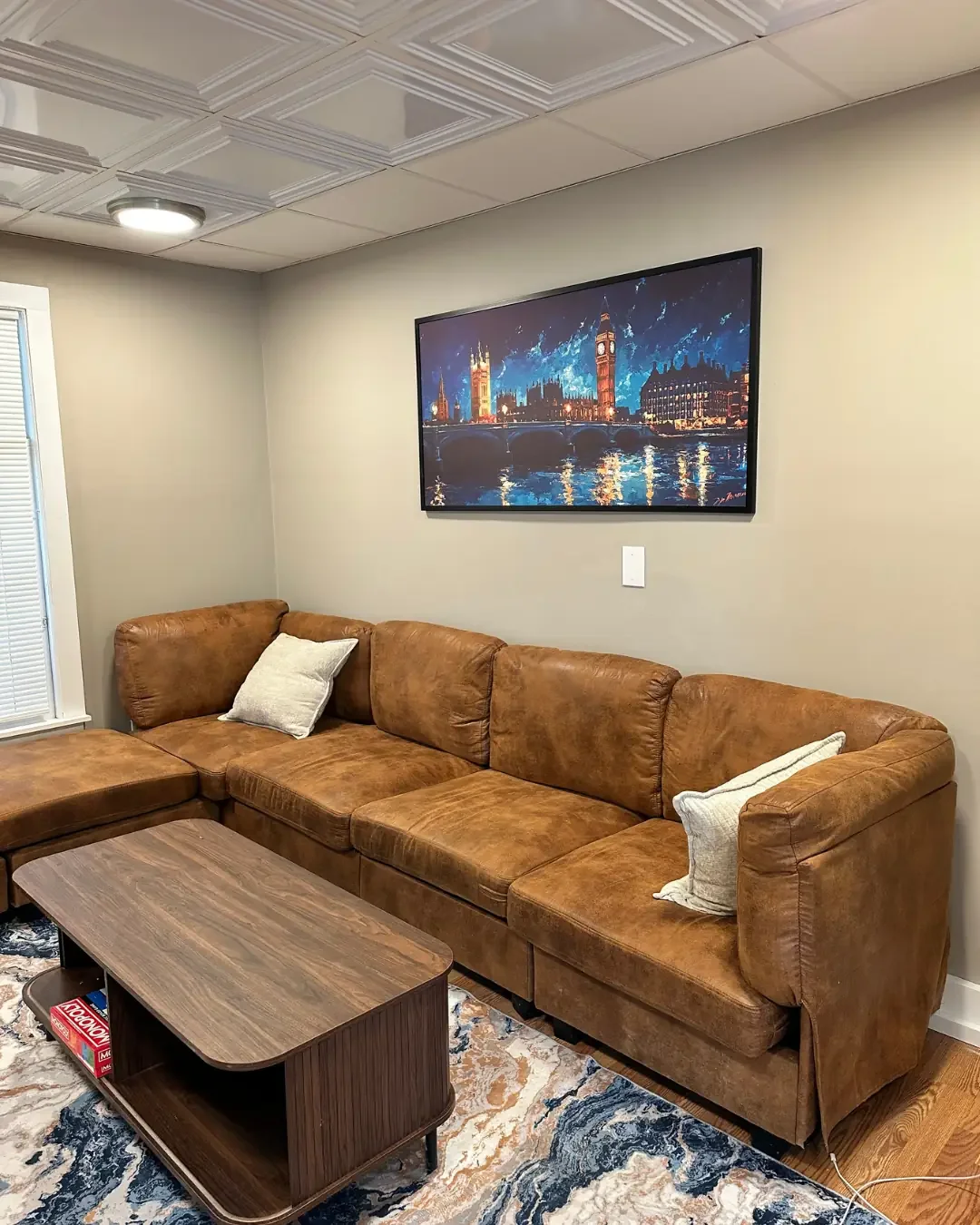
Woodhaven on Mulberry
Collegiate sober living in Scranton for young men continuing their recovery with greater independence, peer accountability, continued support, and a sober community.
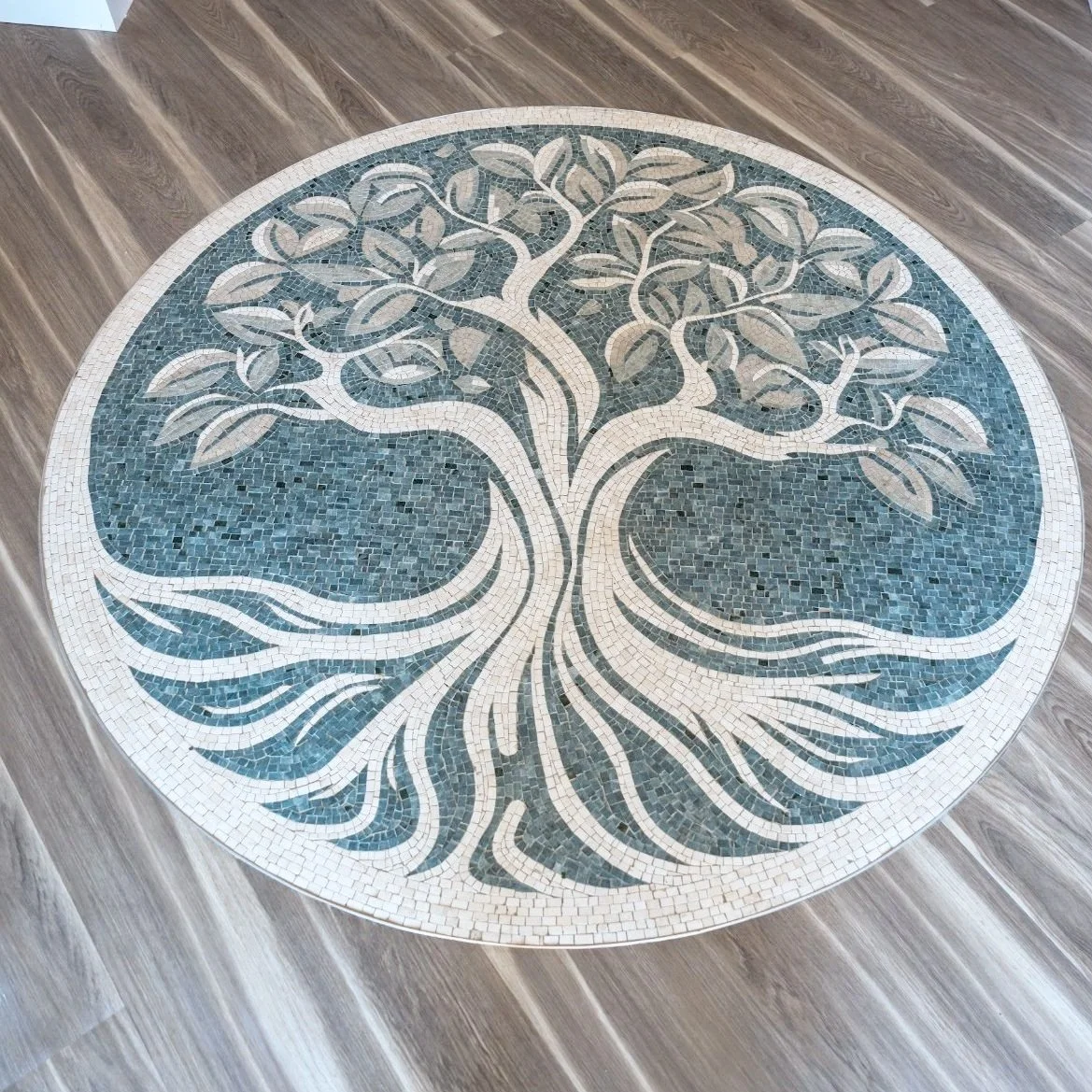
Tree of Life
At the entrance to Woodhaven Manor, the Tree of Life represents growth, connection, and the possibility of change.
For residents and families, it is a reminder that recovery is not only about leaving something behind. It is about becoming rooted in something new: honesty, community, responsibility, purpose, and hope.
A Closer Look Inside Woodhaven Manor
Woodhaven Manor is the heart of daily life on the New Hope Lane campus, where residents gather, learn, share meals, reflect, and continue building their lives in recovery.
Summit Hall
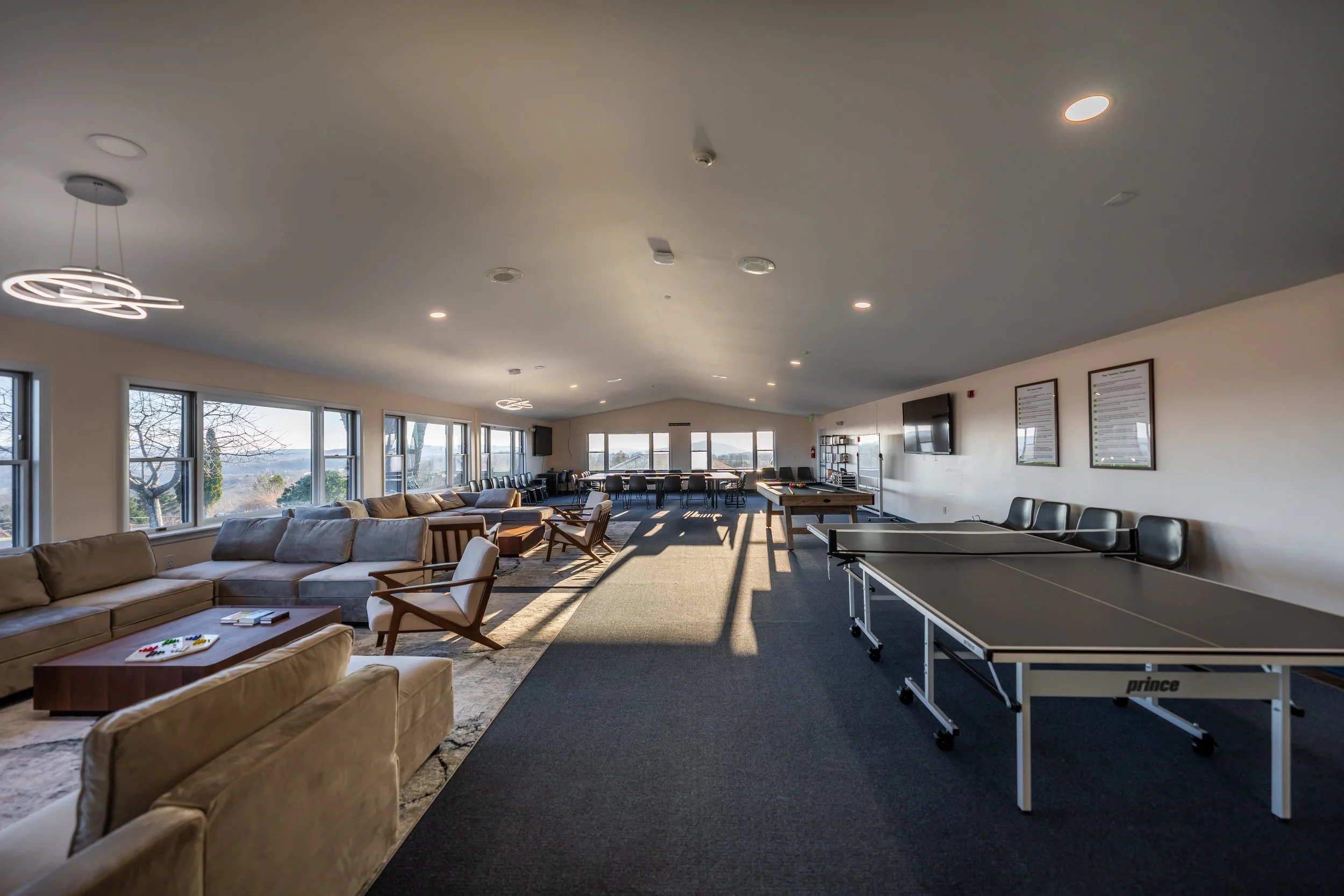
Summit Hall is one of the main gathering spaces at Woodhaven Manor. This large, open room brings together several important parts of daily life, including the Recovery Lounge, Woodhaven Prep, and indoor recreation.
Throughout the day, residents use Summit Hall to learn, attend groups, relax, play games, spend time with peers, and take part in the routines that support life in recovery. Its open layout gives residents room to be together while still allowing different parts of the program to happen within the same shared space.
Recovery Lounge
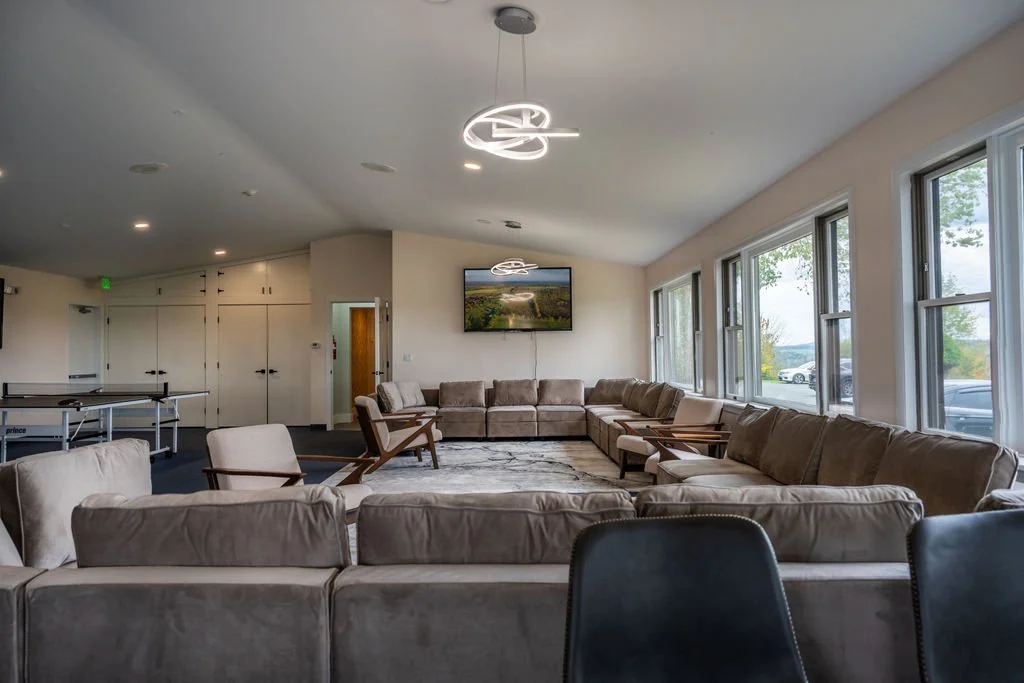
The Recovery Lounge is where residents gather for in-house recovery groups multiple times each day. It is a comfortable, grounded space designed for reflection, honest conversation, and connection with one another.
In this room, residents listen, share, ask questions, and learn to tell the truth in the presence of others. Over time, these repeated moments of sitting together, hearing one another, and staying connected to recovery become part of the foundation they carry with them beyond Woodhaven.
Woodhaven Prep
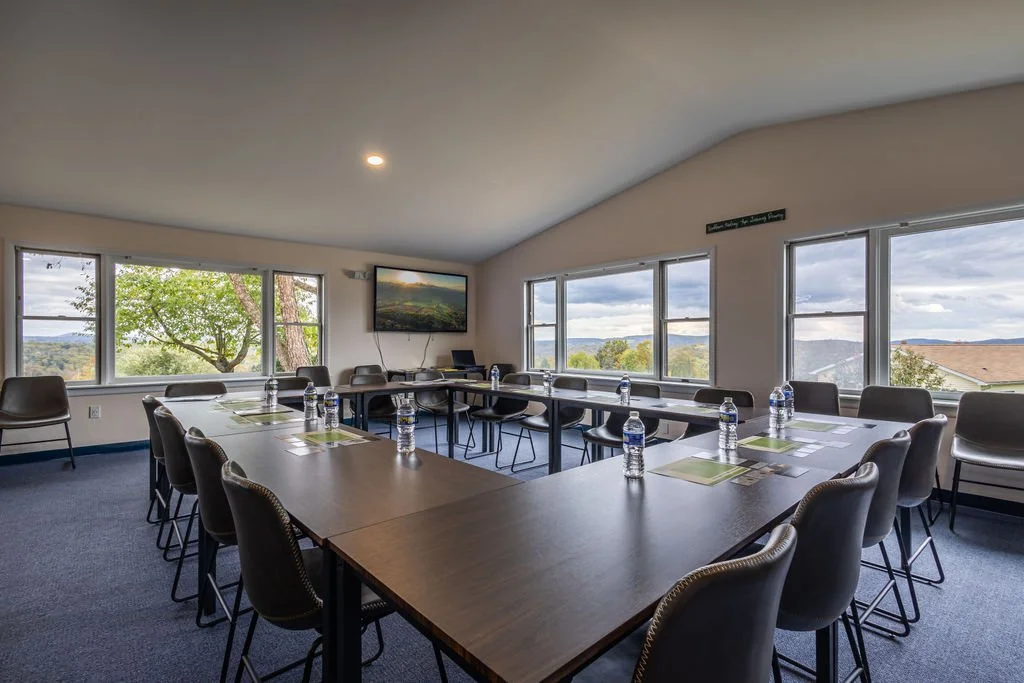
At Woodhaven Manor, learning is part of the daily rhythm of recovery. Woodhaven Prep gives residents a structured, supportive setting where they can continue their academic work while building stability, confidence, and direction.
Residents work on individualized academic pathways, with attention to graduation requirements, college readiness, and the next steps ahead. Because school is part of daily life at Woodhaven, staff are able to understand each resident as a student and as a person. Academic progress, recovery goals, family communication, and future planning are all connected.
Dining Room
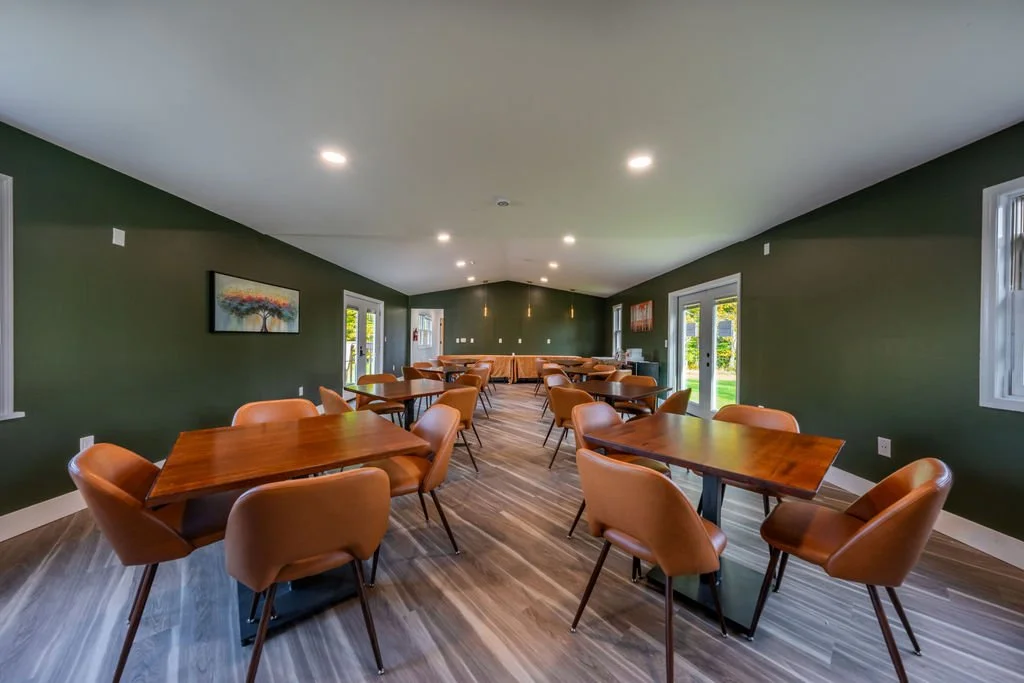
Meals are an important part of daily life at Woodhaven Manor. Our chef prepares meals that are healthy, satisfying, and familiar, giving residents regular opportunities to come together around the table.
Staff eat with residents, making mealtimes part of the community rather than something separate from the program. Around the table, residents and staff talk, laugh, build trust, and experience the ordinary routines that help a residence feel like home.
The dining room also becomes an important gathering space during Family Day, when residents, families, and staff share meals and spend time together as part of the larger Woodhaven community.
Everyday Spaces That Support Residential Life
Daily life at Woodhaven Manor happens in spaces both large and small. Bedrooms, quiet rooms, common areas, and smaller gathering spaces help residents build routines, deepen their recovery, connect with others, and feel part of the community.
Designed With Purpose
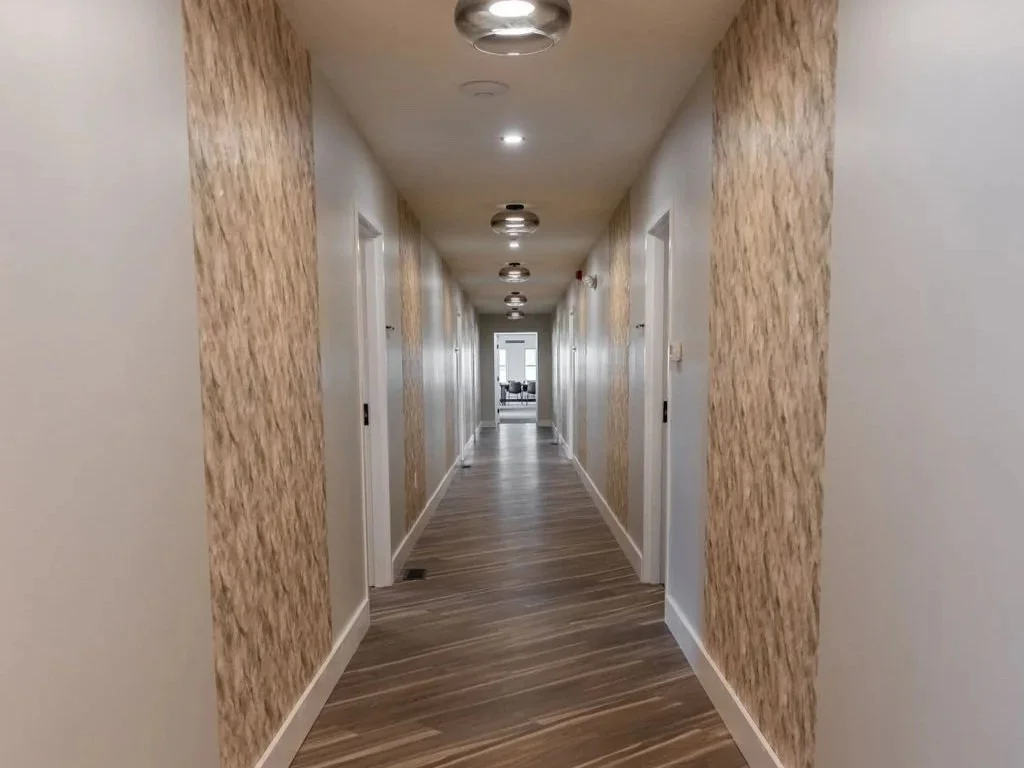
Bedrooms and shared spaces at Woodhaven Manor are named with intention, reflecting values such as honesty, integrity, loyalty, and willingness. These reminders connect the physical space to the work residents are doing each day.
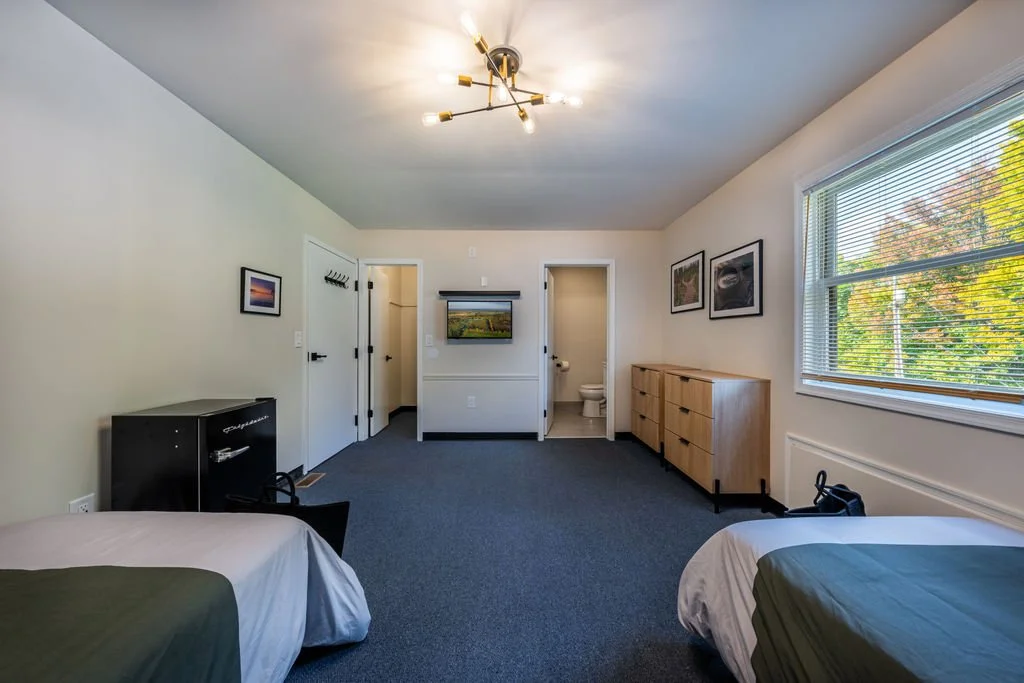
Bedrooms
Shared bedrooms give residents a comfortable personal space while helping them build responsibility, organization, respect for others, and daily routines.
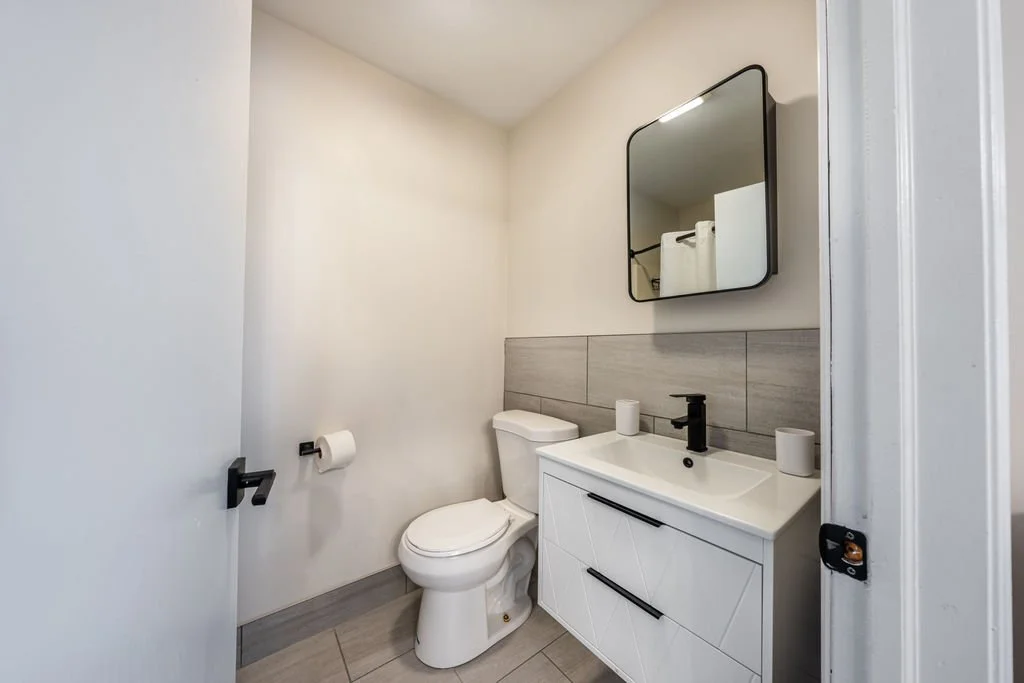
Bathrooms
Clean, updated bathrooms support privacy, dignity, self-care, and the daily habits that are part of residential life.

The Nook
The Nook provides a quiet space for virtual appointments, individual work, step work, and conversations that benefit from privacy.
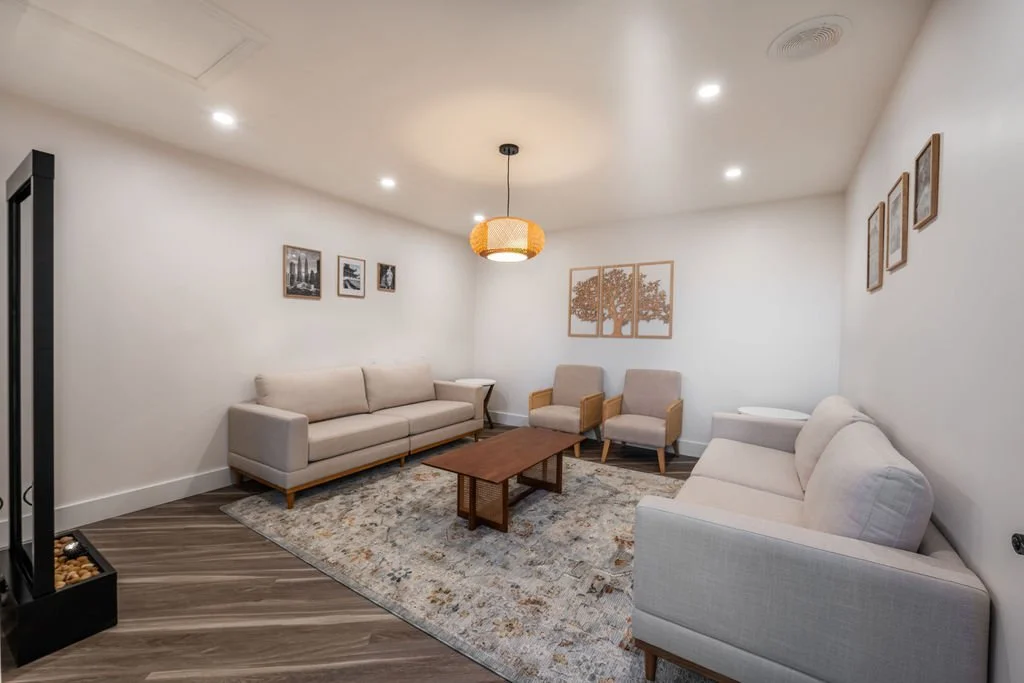
Zen Den
The Zen Den offers a calm setting for small groups, family sessions, recovery work, and conversations that need a quieter space.
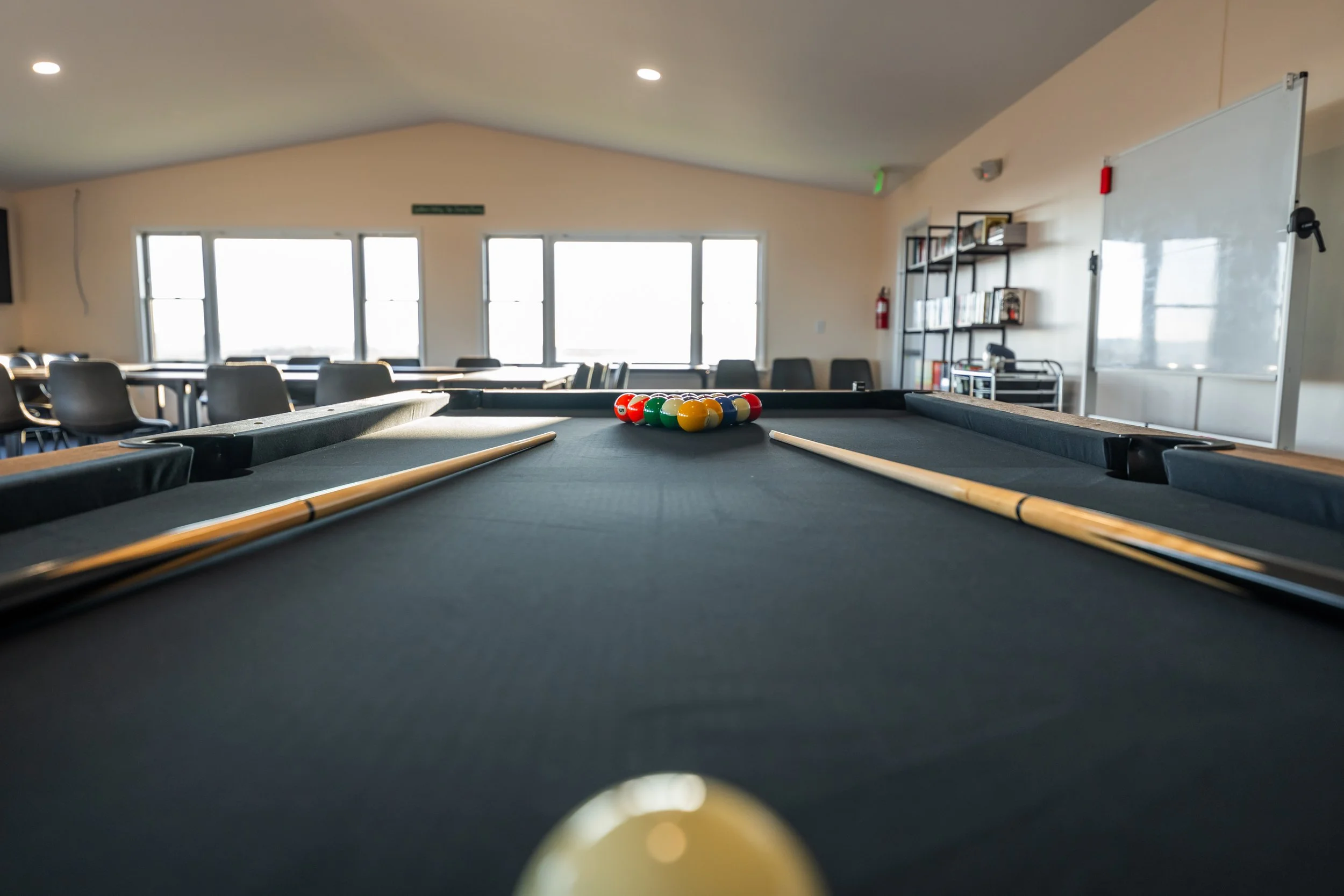
Indoor Recreation
Indoor recreation spaces give residents opportunities to relax, play games, build friendships, and experience fun in sobriety as part of everyday life.
Outdoor Space That Supports Recovery
Set on 37 mountainous acres, Woodhaven gives residents room to move, gather, reflect, and spend time outside as part of daily life in recovery. These spaces, along with community gathering areas and opportunities for movement, help residents build healthy routines, manage stress, and stay connected to themselves and others. Residents also have access to an on-site gym and larger fitness facilities through community memberships.

Our Property
Woodhaven’s property gives residents space to walk, spend time outside, and step away from the pace and pressure of daily life. The setting supports reflection, connection, and the healthy routines that are part of recovery.
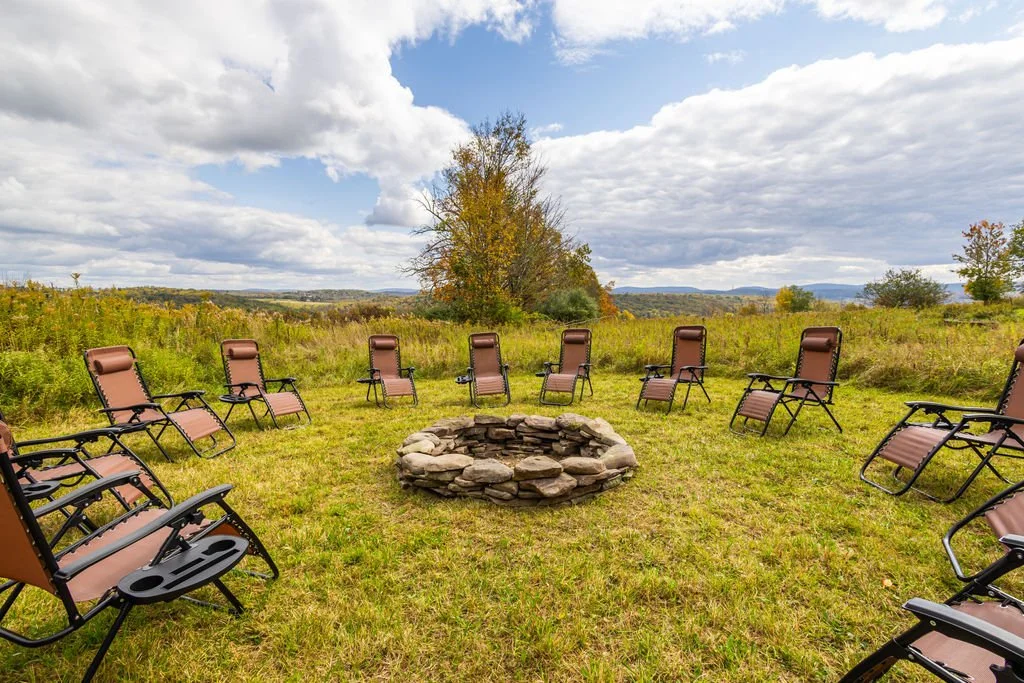
Fire Ring
The fire ring is a gathering place for conversation, connection, and community. Around the fire, residents have time to slow down, be with one another, and experience simple moments of belonging.

Sunrise Overlook
Sunrise Overlook offers residents a quiet place to pause, reflect, and take in the start of a new day, a steady reminder that recovery includes moments of stillness too.