Recovery Principles
At Woodhaven, recovery is not built simply on avoiding substances. It is built through character, responsibility, honesty, purpose, and the daily practice of living differently.
The principles of recovery and fellowship are woven into the fabric of Woodhaven. Residents are supported by recovery staff, peers, and the broader recovery community as they begin to understand what recovery can look like in their own lives.
The Woodhaven Recovery Curriculum
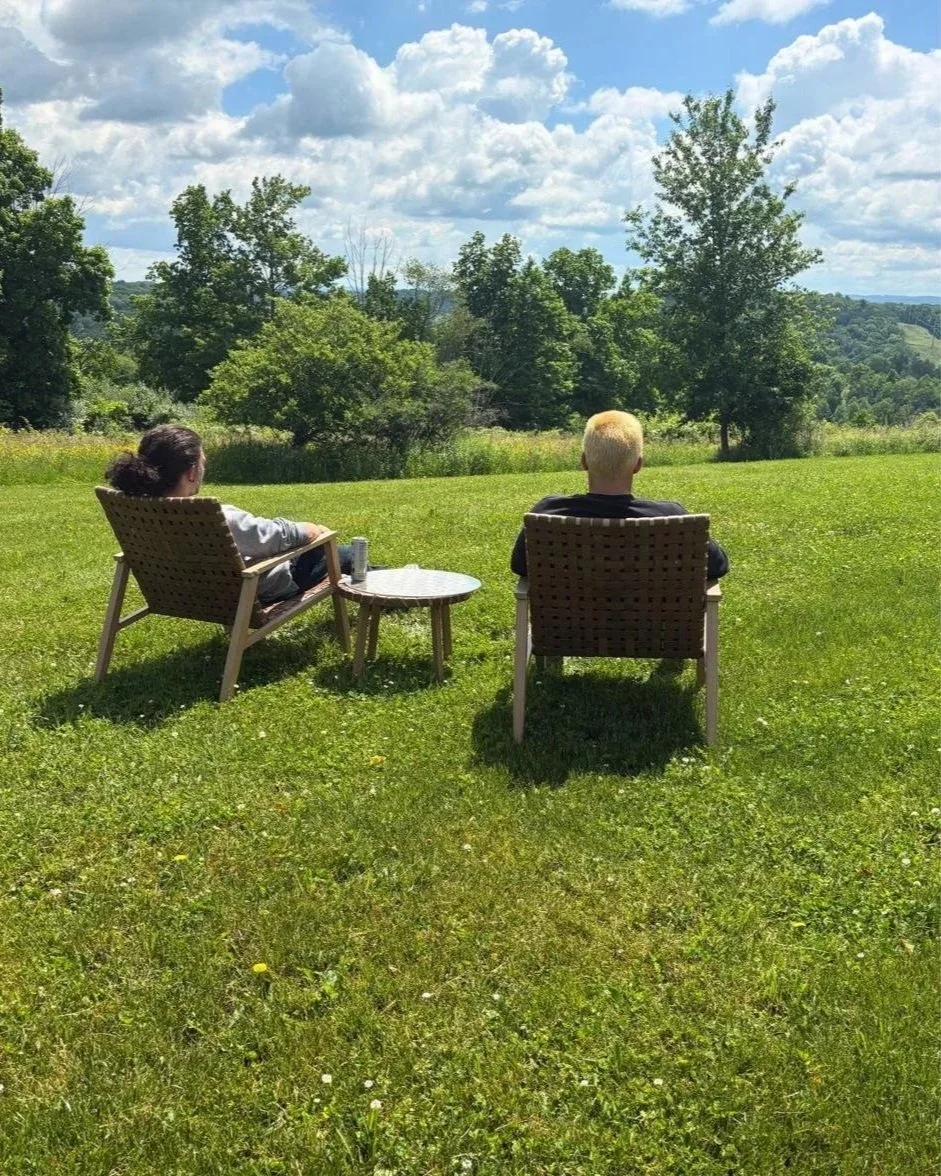
One of the strengths of Woodhaven’s recovery program is our custom curriculum.
Each resident receives a thoughtfully crafted workbook created by the Woodhaven team and completed with support from recovery staff. The curriculum is grounded in 12-step principles while also drawing from modern recovery concepts, stages of change, personal reflection, and developmentally appropriate material for adolescent boys.
This work is not meant to be abstract. Residents use the curriculum in groups, individual sessions, individual step work, and daily conversations with staff. They are encouraged to look honestly at their choices, recognize what has been driving those choices, understand ambivalence, build coping strategies, strengthen recovery capital, and begin practicing new ways of living.

In-House Recovery Groups
Recovery is part of daily life at Woodhaven.
Residents participate in at least two in-house recovery groups each day, led by members of the Woodhaven recovery team. These groups are interactive, practical, and grounded in the real situations residents face in daily life.
The work does not end when group ends. Residents are supported as they apply recovery principles to relationships, responsibilities, conflict, service, accountability, and the ordinary moments that shape life in community.

Fellowship and Peer Accountability
Fellowship is an essential part of recovery at Woodhaven.
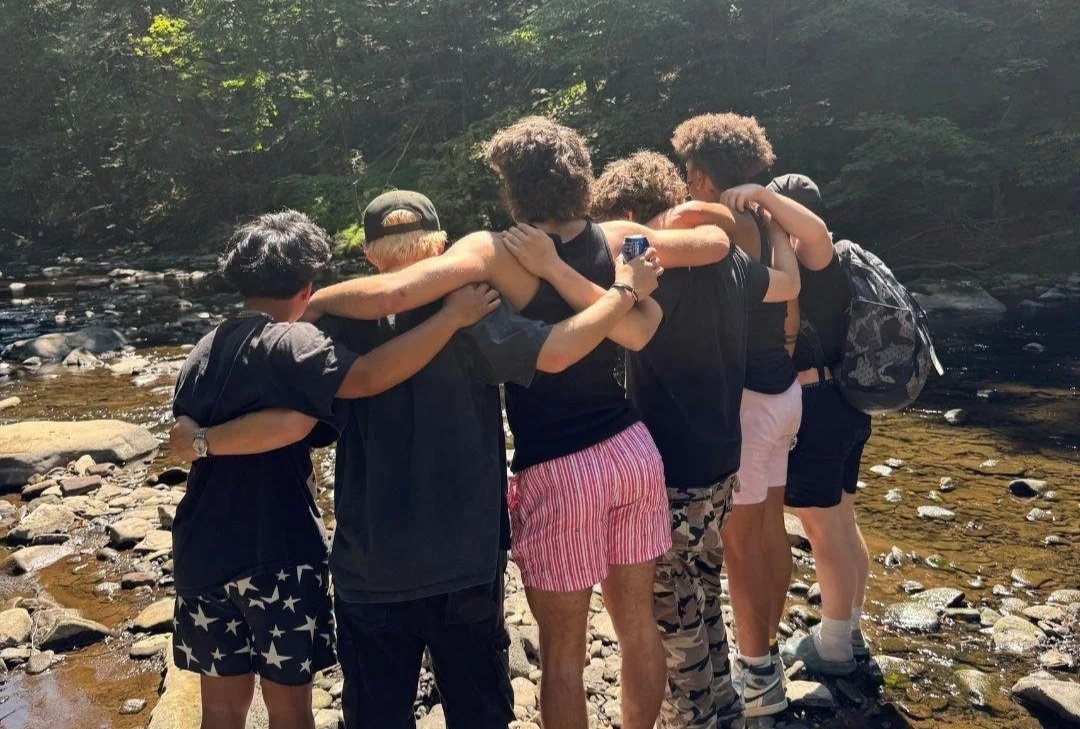
Our residential continuum creates an age-appropriate community where residents are surrounded by peers who are also learning how to live differently. They learn to reach out, ask for help, offer support, take responsibility, and recognize strengths in themselves and one another.
Over time, residents begin to understand that recovery is not something they have to do alone. It is built through honest relationships, shared experience, and the willingness to keep showing up.
Individual Step Work and Coaching
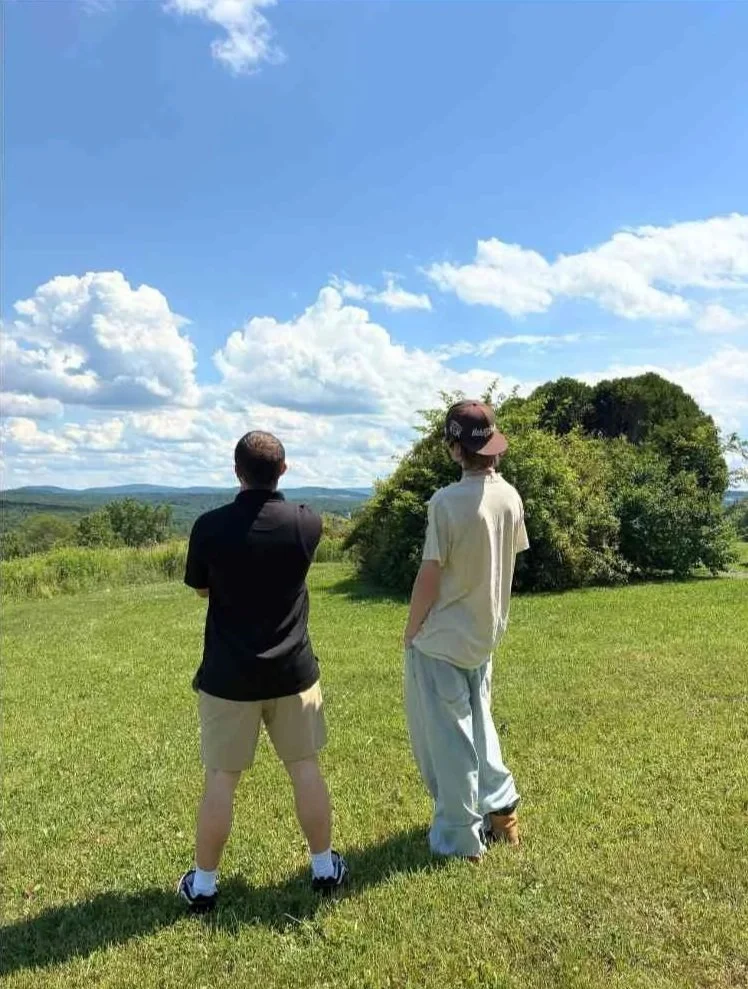
Each resident receives individualized support as he works through recovery principles and begins applying them to his own life.
Through individual step work, coaching, and ongoing conversations with recovery staff, residents are supported in looking honestly at their choices, identifying patterns, building coping skills, and strengthening their recovery capital.
This work also helps the team understand each resident more fully so that support can be responsive, practical, and connected to his long-term goals.
Meetings and Recovery Community Connection
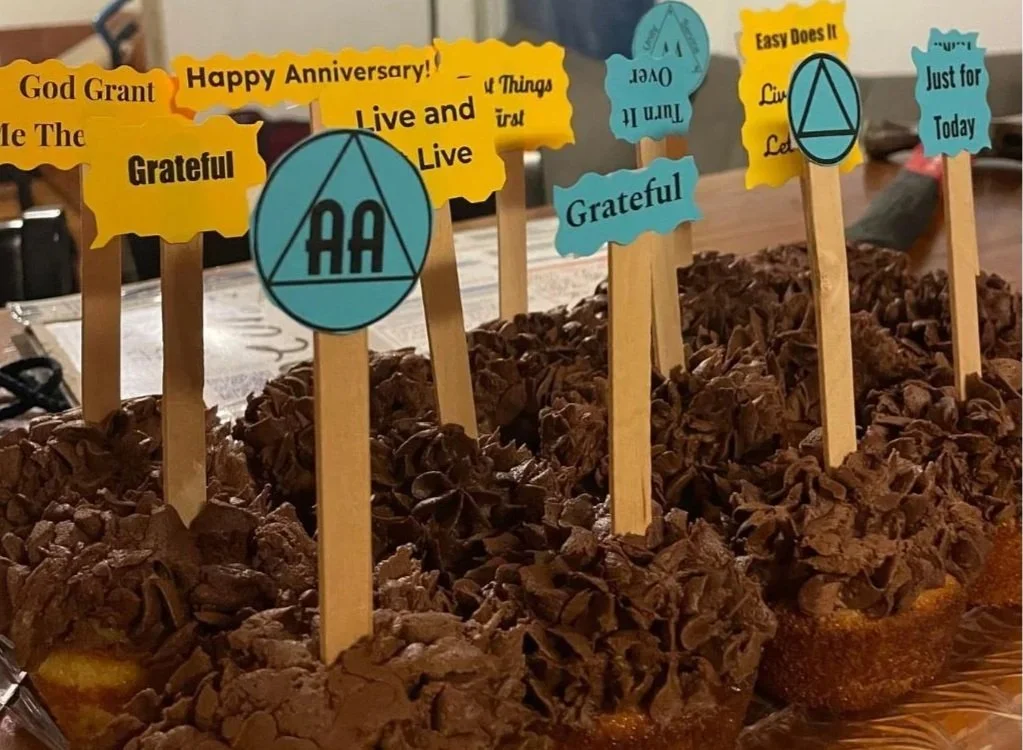
Woodhaven residents participate in carefully selected community-based recovery meetings supported by Woodhaven staff. These meetings help residents experience recovery beyond the walls of the program and begin to feel connected to a larger community of people living in sobriety.
Woodhaven also participates in recreational events with the recovery community, giving residents opportunities to build sober connections in active, social, and meaningful settings.
For many young people, these experiences offer a place to listen, relate, ask questions, build sober friendships, have fun, and begin to believe that recovery is possible for them too.
Learning to Tell Their Story
Woodhaven residents learn that they are not defined by their past.
As they grow in recovery, they begin to understand their own stories with more honesty, compassion, and responsibility. They learn how to share their experience in ways that can help themselves and others.
Over time, residents begin to see that their story does not have to be a source of shame. It can become a source of experience, strength, and hope.