SPRING 2026
WOODHAVEN WAY
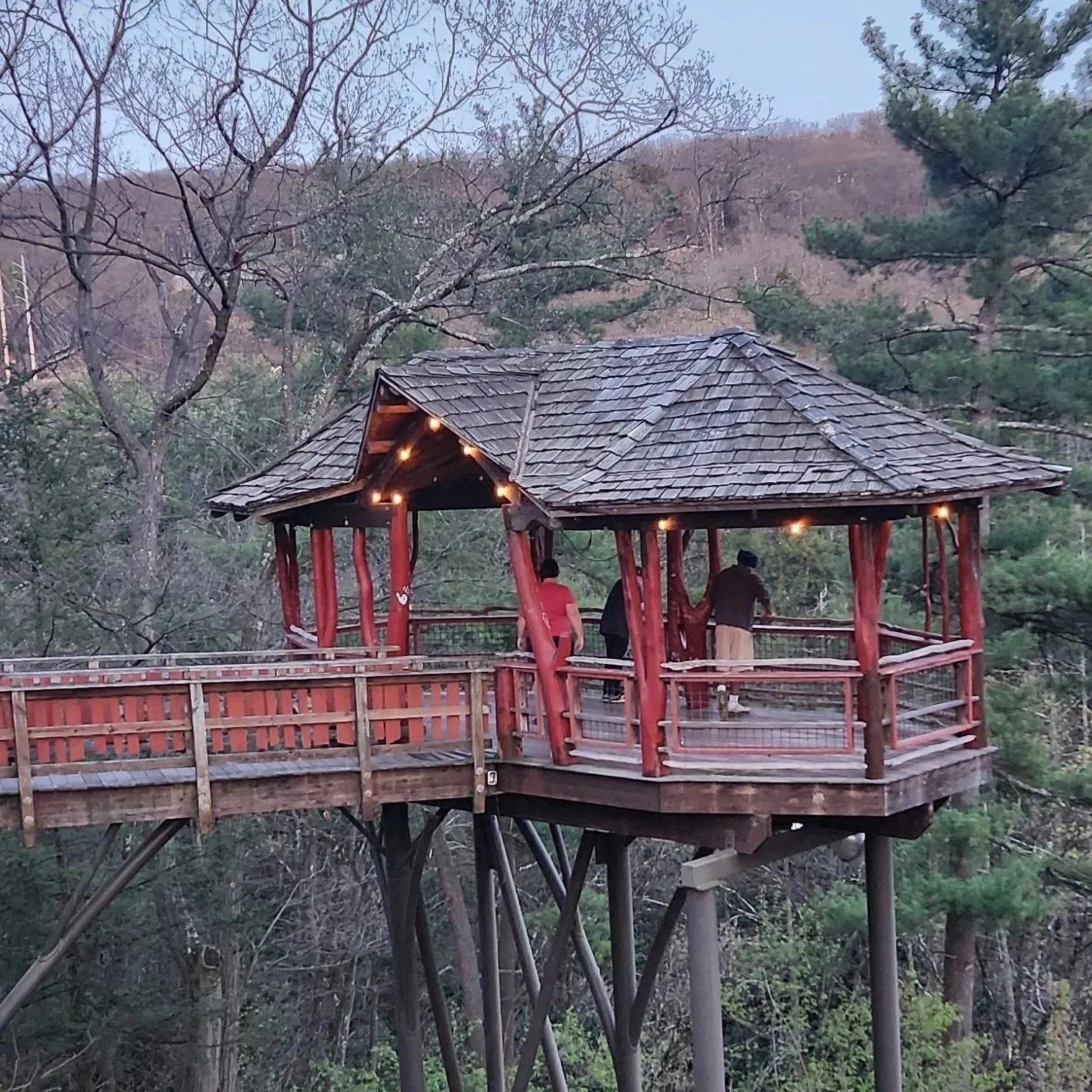
Spring arrived at Woodhaven slowly at first, then all at once. Bonfire groups returned. Basketball, lacrosse, walks in the woods, and meals on the patio became part of the rhythm of the days again. After the quieter months of winter, the campus felt a little more open, and in many ways, so did the season.
That openness showed up in small but important ways. The boys welcomed new residents, supported one another in recovery, challenged themselves academically, spent more time outside, and continued practicing the skills that help recovery become part of daily life.
Families were part of that growth too. Through Thursday Family Support Group and in-person Family Day gatherings, parents and loved ones found space to reflect, reconnect, and walk alongside one another as new families joined the Woodhaven community.
RECOVERY PRINCIPLES
Building recovery through honesty, reflection, and connection
Recovery work this spring focused on honesty, accountability, humility, fellowship, and the daily practice of living differently.
The boys spent time reflecting on willingness, fear, honesty, and what it means to move through discomfort instead of being ruled by it. They talked about the power of fellowship and the importance of finding people in recovery who model the kind of stability, character, and peace they want to build in their own lives.
Groups explored loyalty, disappointing others, motivation for sobriety, humility, perspective, gratitude, recovery capital, resentment, future planning, acceptance, and the difference between talking about recovery and practicing it in daily life.
Each boy also continued working with a staff member to move through individual steps, while completing personal nightly inventory to identify resentments, understand where they come from, and use regular self-reflection as a tool for growth.
Several conversations invited the boys to think more deeply about the internal work of recovery. They explored the many ways ego and self-centered thinking can appear, how to recognize those patterns, and what it takes to begin changing them. Other groups focused on guidance, learning from failure, higher power, and using difficult past experiences as part of a more hopeful and purposeful future.
This season also included paired storytelling exercises, giving the boys a chance to practice active listening, public speaking, empathy, and connection. In sharing and listening to one another’s stories, they practiced stepping outside of themselves and recognizing the humanity and experience of someone else.
The boys also continued using MEPS, a mental, emotional, physical, and spiritual check-in process that helps them pause, reflect, and identify what is happening within themselves. This kind of regular self-awareness gives them language for their own experience and helps them notice what they may need before challenges build. Families were also introduced to MEPS and invited to consider how this framework can support their own reflection and open the door to deeper conversations with their sons.
We also saw growth in the way the boys welcomed new residents into the community. They took time to explain recovery concepts, include newer peers, and help them understand the purpose behind practices like inventory, accountability, and daily reflection. These are small but important signs of leadership. They show that the boys are beginning to carry recovery principles in a more personal way and share them with others.
At Woodhaven, recovery is not limited to one group, one meeting, or one conversation. It is practiced in relationships, in responsibility, in moments of honesty, and in the small decisions the boys make each day.
WOODHAVEN PREP
Learning that builds confidence, independence, and possibility
This spring was a strong and productive academic season.
Students completed a deep dive into the history and development of various economic systems, with a particular focus on capitalism, socialism, and communism. They explored global initiatives and historical experiments connected to these systems and presented their research with remarkable diligence, intellectual curiosity, and stamina.
Our dual enrollment Keystone students successfully completed their U.S. History course and finished the term on a strong note. Their engagement and commitment continued to impress their professor, and several students proactively signed up for Keystone summer session classes, demonstrating continued investment in their academic growth.
Students also completed an Earth Science unit and participated in a Sexual Education unit focused primarily on the social and emotional dimensions of relationships, identity, responsibility, and decision-making. They approached these conversations with maturity, thoughtfulness, and respect.
In literature, students completed their final literary analysis on the manga Uzumaki by Junji Ito entirely without the use of technology. Their essays were insightful, original, and thoughtful, showcasing both analytical skill and creative thinking.
Throughout the spring, the classroom culture continued to feel positive and supportive. There was serious academic work, high-level analysis, thoughtful discussion, and also a great deal of laughter. That balance matters. For many students, rebuilding confidence as learners is an important part of rebuilding confidence in themselves.
Foundations for Success, our recovery-integrated life skills course, continued this spring as part of our academic elective program. After beginning with financial independence, the boys moved into career exploration, resumes, interview skills, housing, basic apartment maintenance, car ownership, transportation costs, digital responsibility, communication, and everyday problem solving. Many of these lessons were hands-on, from understanding the true cost of a first car to caring for a home and building the routines that support independent living.
The focus throughout has remained on helping the boys build confidence through competence. These lessons give them opportunities to practice the skills, judgment, and self-awareness they will need as they continue growing in recovery and preparing for life beyond Woodhaven.
This foundation now leads into our final unit, which will explore social media, digital health, and the ways online choices can shape identity, relationships, recovery, and future opportunities.
RECREATION
Rediscovering joy, friendship, and a future
As the weather warmed, recreation became an even more visible part of daily life at Woodhaven.
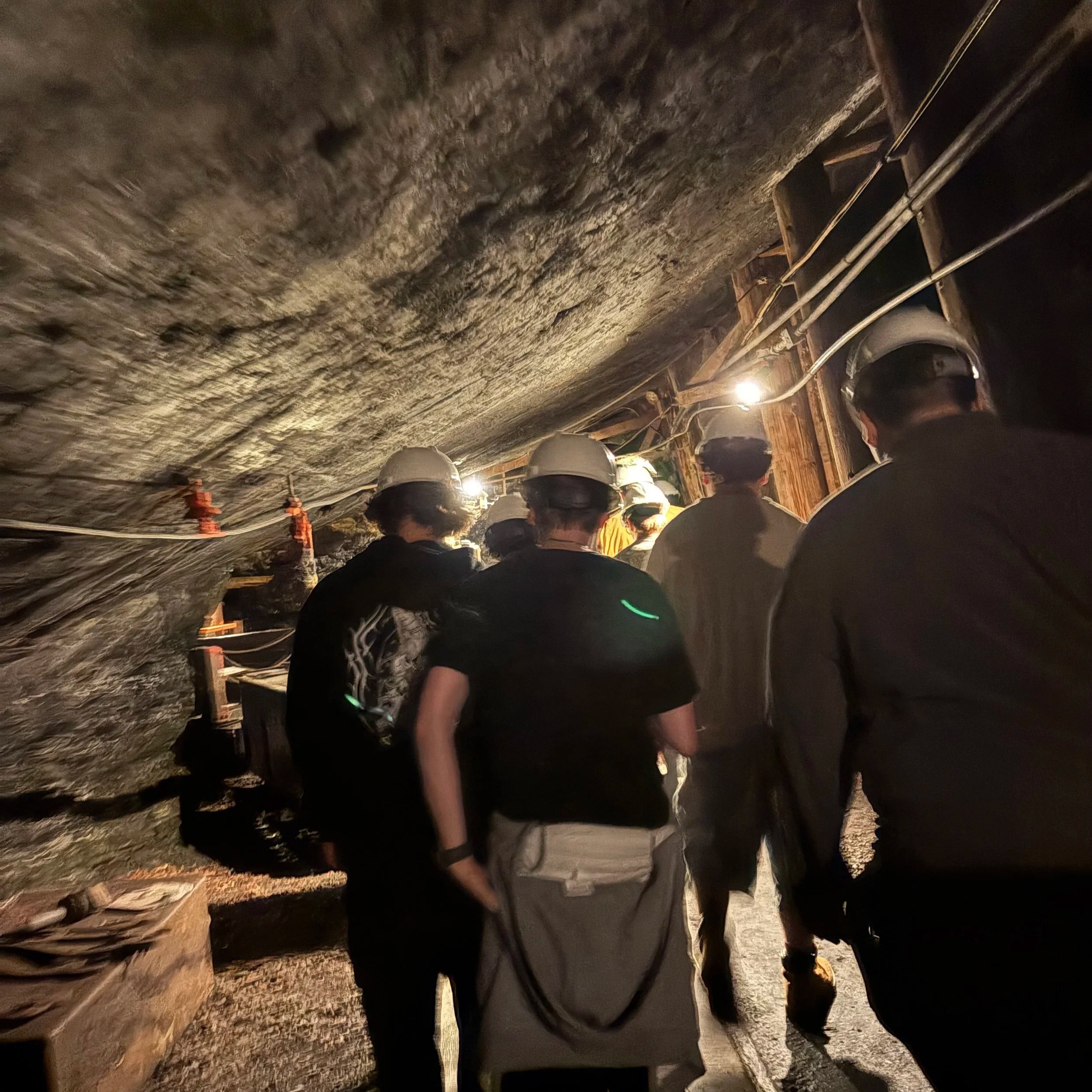
The boys spent more time outside playing basketball and lacrosse, walking in the woods, enjoying park outings, and gathering for bonfire meetings. Boxing remained a favorite, the YMCA continued to be a strong activity option, and the boys also enjoyed hikes, movies, weekly sober community events at Nay Aug Park, time at local parks and outdoor spaces, and an outing to the Lackawanna Coal Mine Tour.
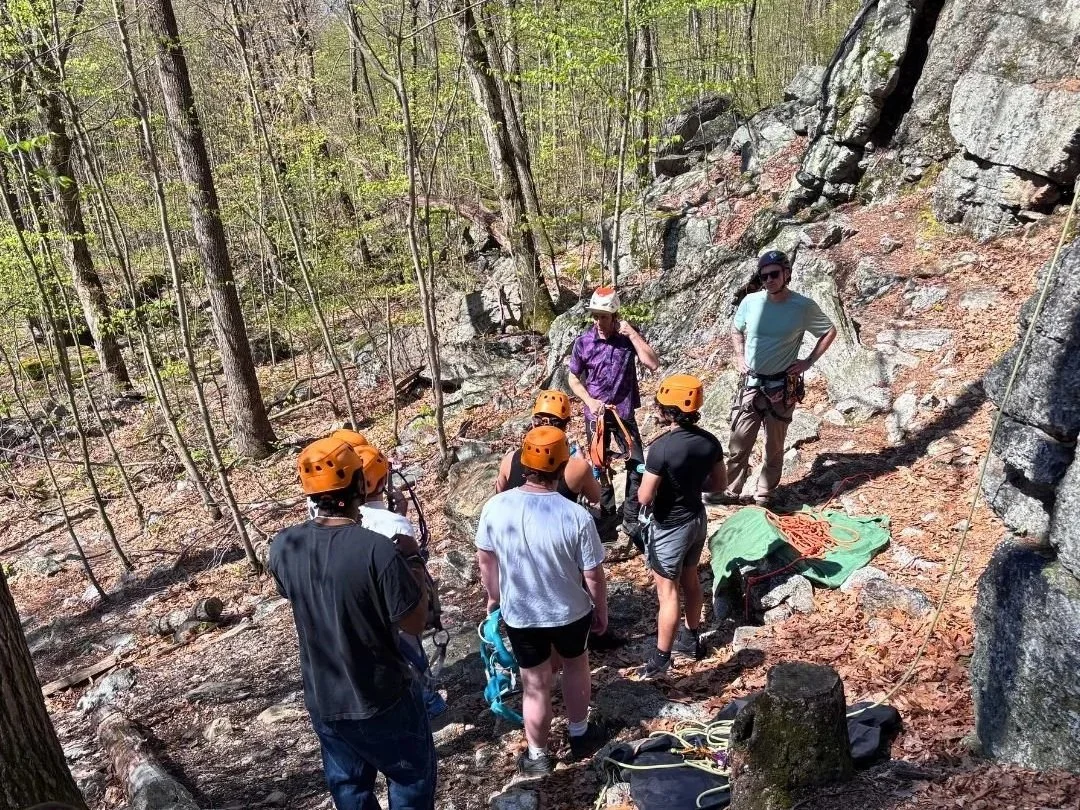
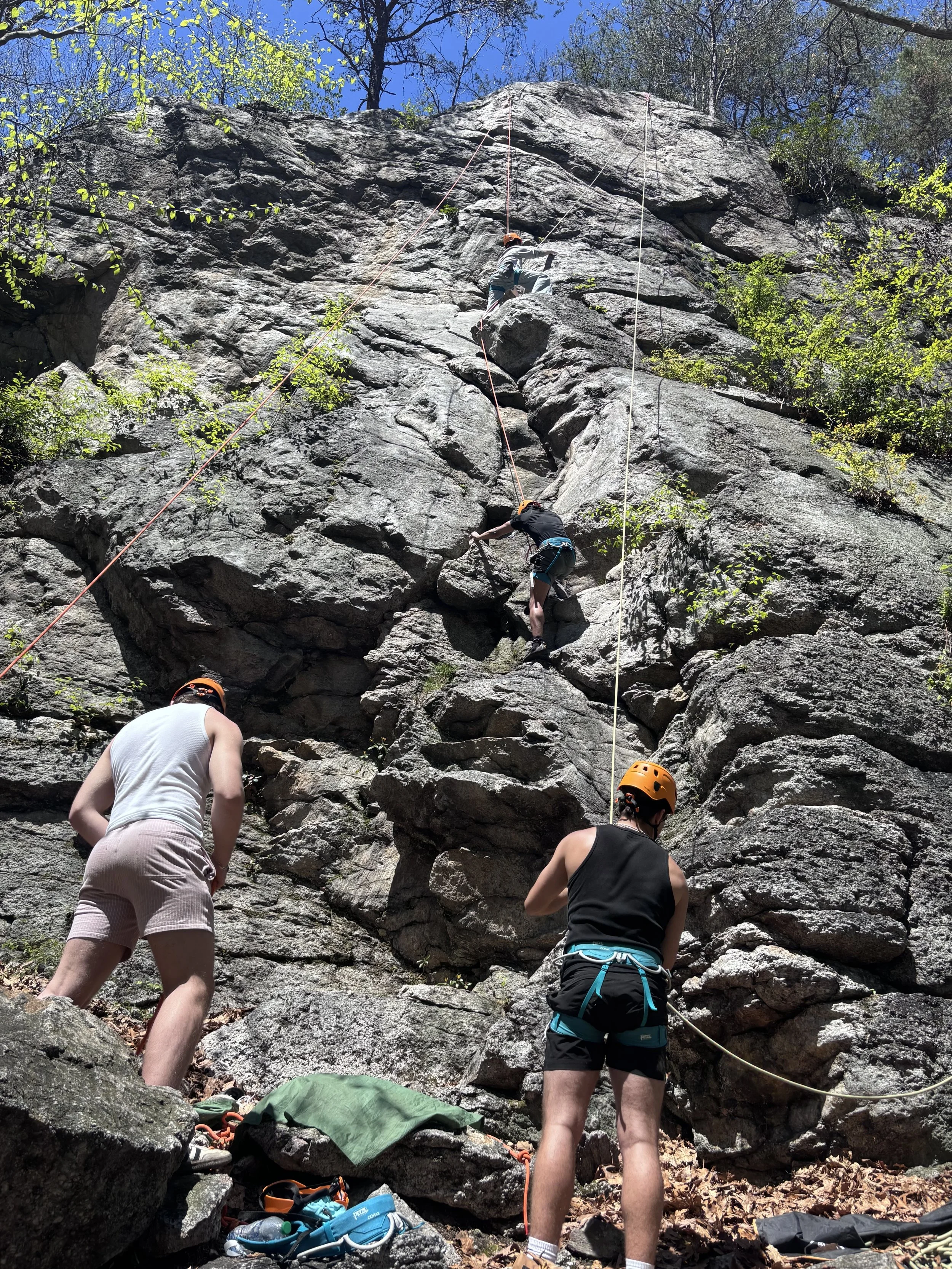
This spring also included a powerful outdoor rock climbing experience. John Goldman and Ryan Shipp first visited Woodhaven to speak with the boys about climbing, and the boys later participated in a supervised climbing trip with a therapeutic debrief led by John Goldman. Experiences like this give the boys opportunities to challenge themselves physically, build trust, manage fear, and reflect on what it means to keep going when something feels difficult.
The boys also participated in a fishing trip at Lackawanna State Park with an instructor from the Lackawanna County Parks and Recreation Commission, offering another opportunity to learn something new, spend time in nature, and connect through a calm, shared outdoor experience.
Recreation at Woodhaven is never just about keeping busy. It is about connection, confidence, healthy risk-taking, teamwork, and learning how to experience joy in recovery. Sometimes that happens during a structured outing. Sometimes it happens during a simple walk, a meal on the patio, a basketball game, a fishing trip, or a quiet evening outside with good people around. These experiences help the boys practice recovery in ways that feel active, connected, and real.
FAMILY PROGRAM
Strengthening relationships with our sons and one another
Family connection remained a central part of the Woodhaven experience this spring. Our weekly Thursday Family Support Group continued to provide families with a regular space to gather, reflect, ask questions, and support one another. These meetings are especially important as new families join the Woodhaven community. They create a place where parents can hear from others who understand the complexity of supporting their son through early recovery and where no one has to navigate the process alone.
This spring, our family program also continued to grow through monthly moms-only and dads-only groups, giving parents the opportunity to connect more personally, share honestly, and support one another in ways that reflect their own experiences.
Our Family Day gatherings throughout the season gave families time to reconnect, laugh, reflect, and simply be together.
As part of our ongoing family education, one gathering focused on understanding adolescence and recovery more deeply. We welcomed Kim Porter, Co-Founder and Executive Director of Be a Part of the Conversation, as a guest speaker. Families also worked together to better understand the traits common in adolescence and the traits that may be connected to substance use, helping parents consider their sons’ behavior with greater clarity, compassion, and perspective.
At our May Family Day, families were introduced to MEPS and invited to consider how the same mental, emotional, physical, and spiritual framework their sons use each day can support their own reflection, communication, and self-awareness. The group completed a permission slip activity, reflecting on what they wanted to give themselves permission to start, stop, or continue. After sharing with a partner, families wrote cards to one another so each person could leave with a tangible reminder of encouragement from someone else walking a similar path.
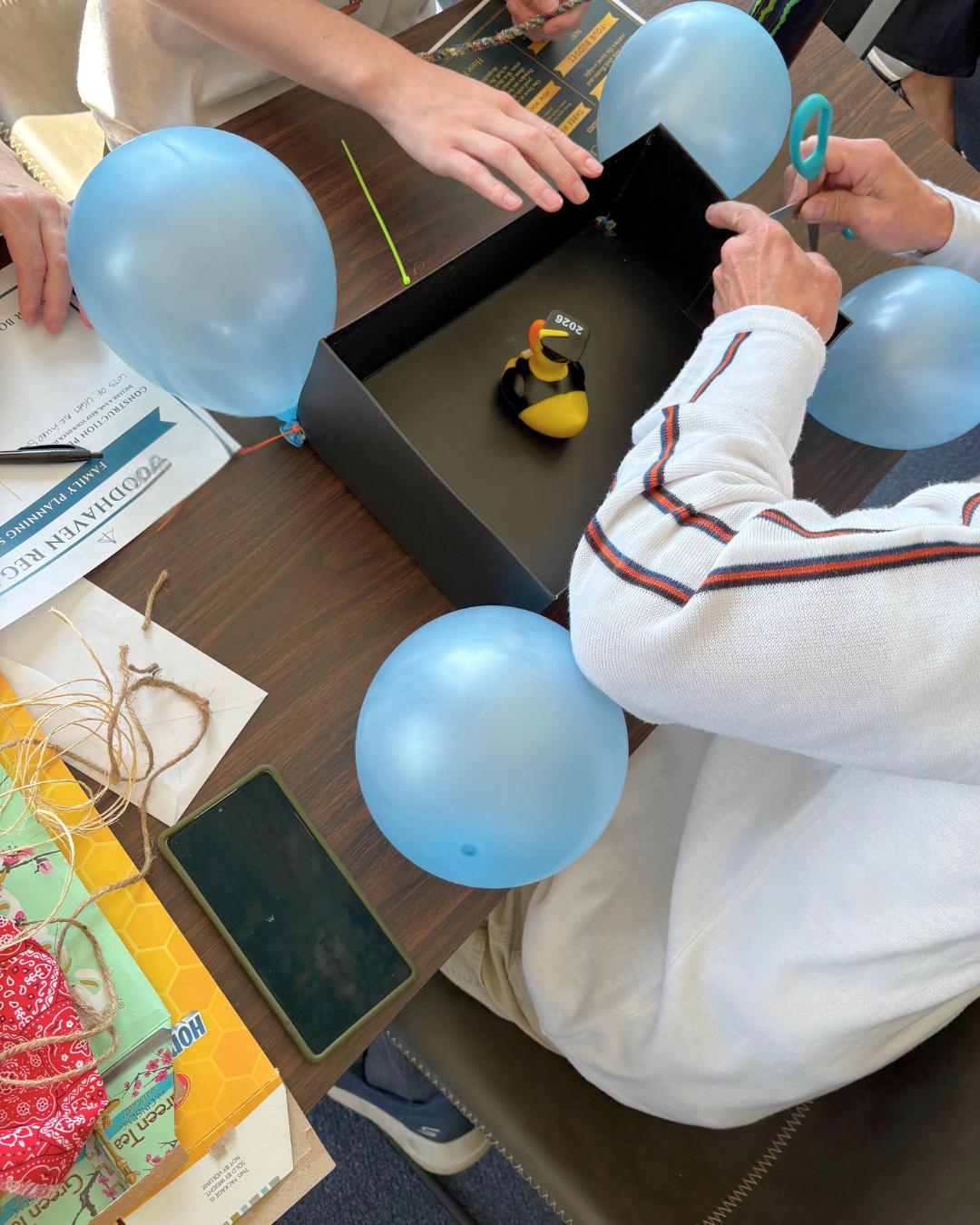
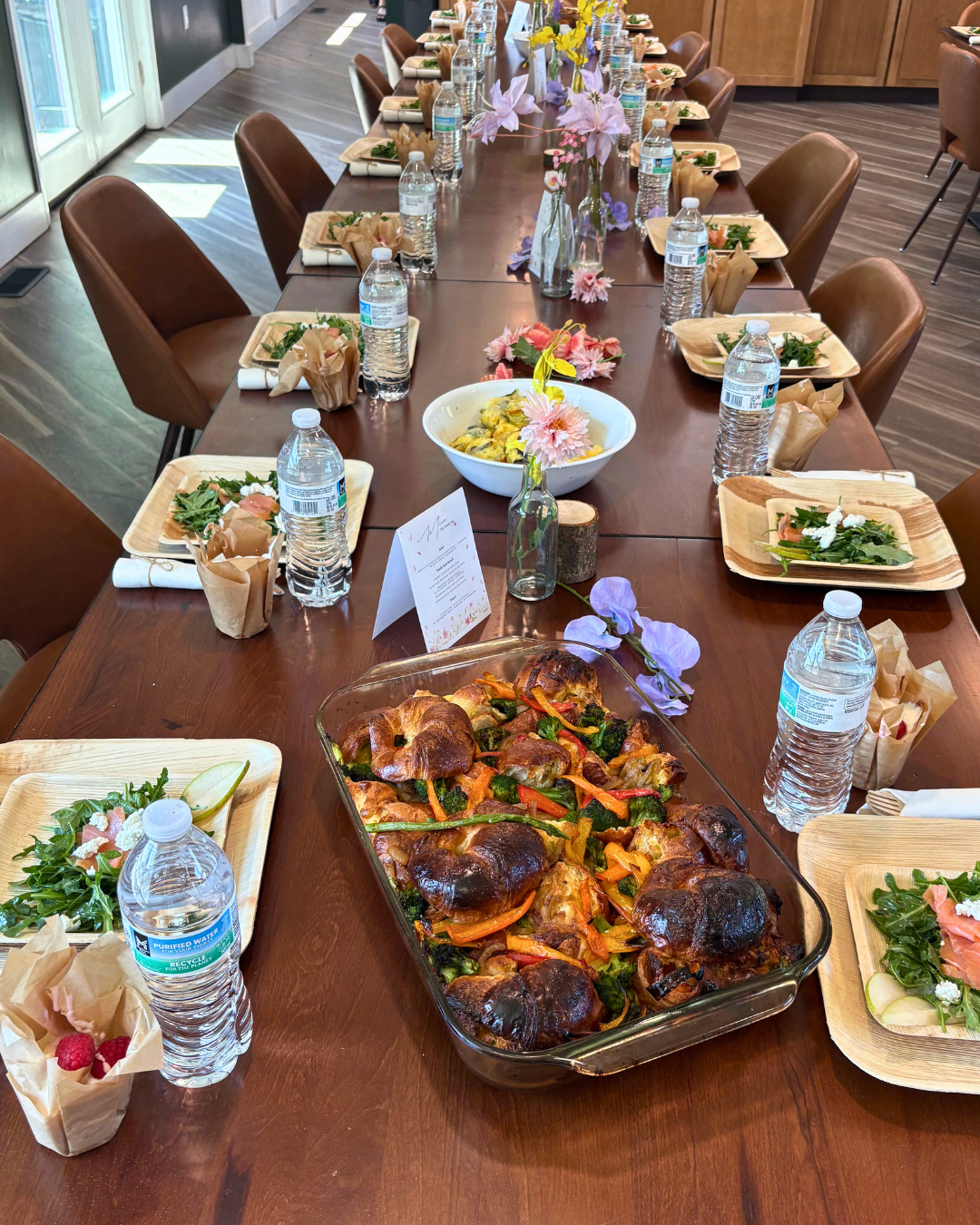
The boys presented painted flower pots they had created and planted with seasonal flowers, a personal reminder of growth, care, and the simple power of making something by hand. The day continued with brunch, time together, and the Woodhaven Regatta, where families worked as teams to build boats and test their buoyancy in a friendly competition. It was creative, funny, and full of the kind of shared moments that help families reconnect in ways that feel natural and hopeful.
Other gatherings brought lighter moments of play and connection, including Lucky to Be Together team competitions, Feed the Leprechaun, Pop Rocks Statue, Name That Tune, trivia, a photo scavenger hunt, and a group game of Headbands. These activities gave families the chance to experience their sons not only through the lens of concern or recovery work, but through shared laughter, creativity, and ordinary joy.
Family recovery involves difficult conversations, patience, and trust. It also needs moments of togetherness that feel lighter, more hopeful, and more human. This spring’s Family Days reminded us that connection can be rebuilt in small, human ways.
STRATEGIC PLANNING
Turning growth into next steps, and next steps into possibility
This spring, Woodhaven continued strengthening the structures that support adolescent recovery, academic growth, family engagement, practical independence, and future readiness.
Our seniors received impressive college acceptances this spring, reflecting both their academic progress and their growing investment in the future. Others continued developing individualized plans for what comes next, whether that includes college, career training, employment, or continued recovery support. These conversations are not only about applications or next steps. They are about helping each boy begin to imagine a life that includes responsibility, purpose, connection, and recovery.
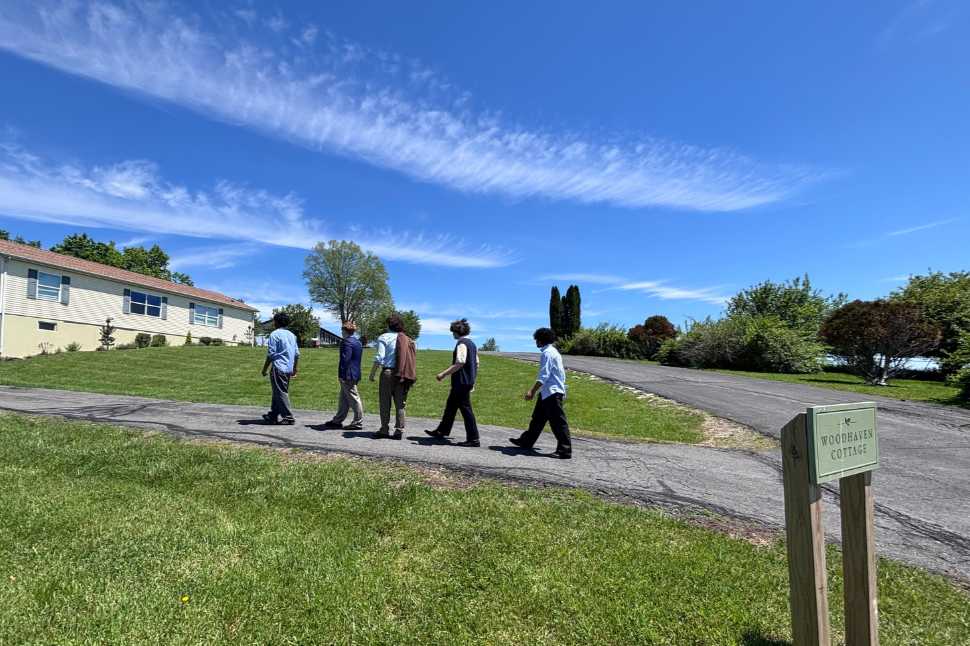
Transitions also continued across our extended care community. Four boys recently moved into the Cottage, and eight boys are preparing for the next step toward Mulberry. These transitions represent more than a change in residence. They reflect growing responsibility, increased independence, and continued planning for life beyond the earliest stages of recovery.
WOODHAVEN ON MULBERRY
Where responsibility, friendship, and recovery grow into independence
The young men at Woodhaven on Mulberry are doing well as they look toward the next steps in their own journeys. One recently graduated from college, and the others continue attending school locally, working, and preparing for greater independence as they move toward life beyond Mulberry.
The house is full of friendship, and each resident is working hard individually while also helping create an environment of support where recovery can grow. Mulberry remains an important bridge between the structure of residential recovery and the growing independence of school, work, community involvement, and daily responsibility.
Renovations also continue, including three new bathrooms on the second floor and exterior improvements that will be ready to welcome our newer residents in August.

COMMUNITY RECOGNITION
Honoring milestones, collaboration, and shared commitment
This spring brought many moments worth recognizing, both large and small.
We congratulate our Mulberry house manager on his graduation and celebrate the hard work, growth, and commitment this milestone represents. We also celebrate the students who completed coursework, presented research, signed up for summer classes, and continued taking meaningful steps toward their futures.
We are grateful to Kim Porter, Co-Founder and Executive Director of Be a Part of the Conversation, for joining us at Family Day and sharing her experience and wisdom with our families. We are also thankful to John Goldman and Ryan Shipp for helping create a powerful outdoor rock climbing experience, one that brought together challenge, trust, reflection, and connection in a setting the boys will remember.
We are especially grateful for the fathers of our first two residents, who are now helping facilitate our monthly dads-only group, and for the other parents who have begun stepping into co-facilitating roles as well. We are also grateful to Deidre and Sarah, our family facilitators, for the care, steadiness, and compassion they bring to our family program every week.
We also recognize the boys who welcomed new residents with patience and care. These moments may be quiet, but they matter. They show leadership, belonging, and the kind of community that helps recovery grow.
WITH GRATITUDE
Grateful for the people who make Woodhaven a community
As spring turns toward summer, we feel deep gratitude for the people who make Woodhaven what it is.
We are grateful for our residents, who continue to do the difficult and meaningful work of recovery each day. We are grateful for their families, who keep showing up with honesty, courage, patience, and love. We are grateful for our staff, who bring consistency, creativity, humor, and care to the boys in both the structured parts of the program and the ordinary moments in between. We are also grateful for our own families, who support the time, energy, and heart this work requires.
Woodhaven is not built by one person or one role. It is held by many people who believe that long-term adolescent recovery is possible and deeply valuable.
Most of all, we are grateful for the boys. They remind us that growth often happens one small step at a time, through one honest conversation, one responsible choice, one completed assignment, one family moment, one new skill, and one day of recovery built on the day before.
As we look ahead, there is much to be excited about. We are preparing for our academic celebration, looking forward to honoring our graduates, and anticipating a summer filled with recreation, continued learning, family connection, and new opportunities for growth.
We carry with us the reminders this spring offered so clearly: healing takes time, connection matters, and small moments of growth are often the beginning of something much larger.